如何把对象的性格与空间的感受转化成图形语言?How can the character of an object and the experience of a place become a graphic language?
这组大一上学期练习将两种观察方式放在一起:Human Objects 从艺术家风格研究出发,用不同笔触重新理解博物馆对象;Score 则参考 John Cage 的图形表达,把城市旅程中的景象、活动和感受组织为线条、符号与照片的连续拼贴。它们共同探索绘画如何超越物体的外观,表达空间中的关系、节奏和时间。These first-semester studies bring together two ways of observing. Human Objects applies techniques studied through artists' work to museum objects, while Score draws on John Cage's graphic approach to organise scenes, activities and feelings from a city journey through lines, symbols and photographs. Together, they explore how drawing can describe relationships, rhythm and time as well as the appearance of things.
Human Objects:用不同方式观看Human Objects: different ways of seeing
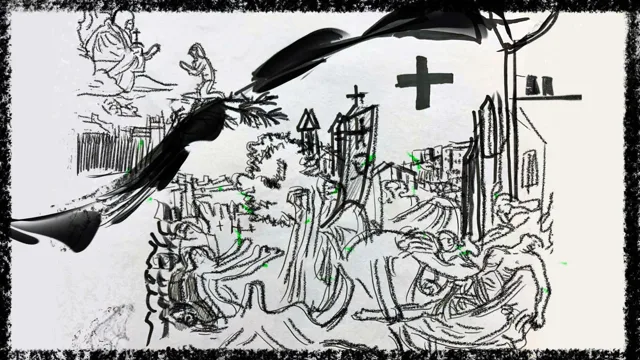
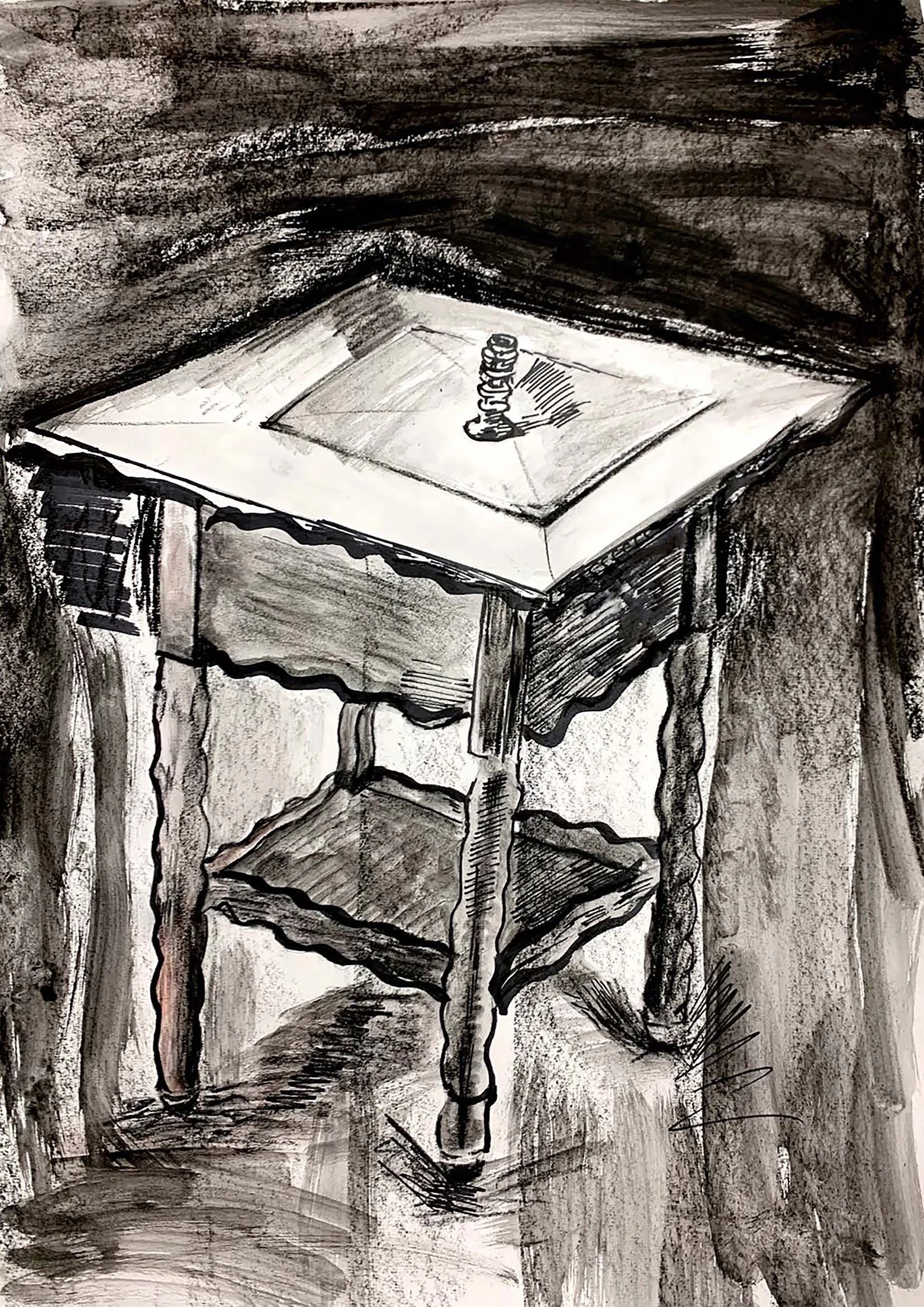
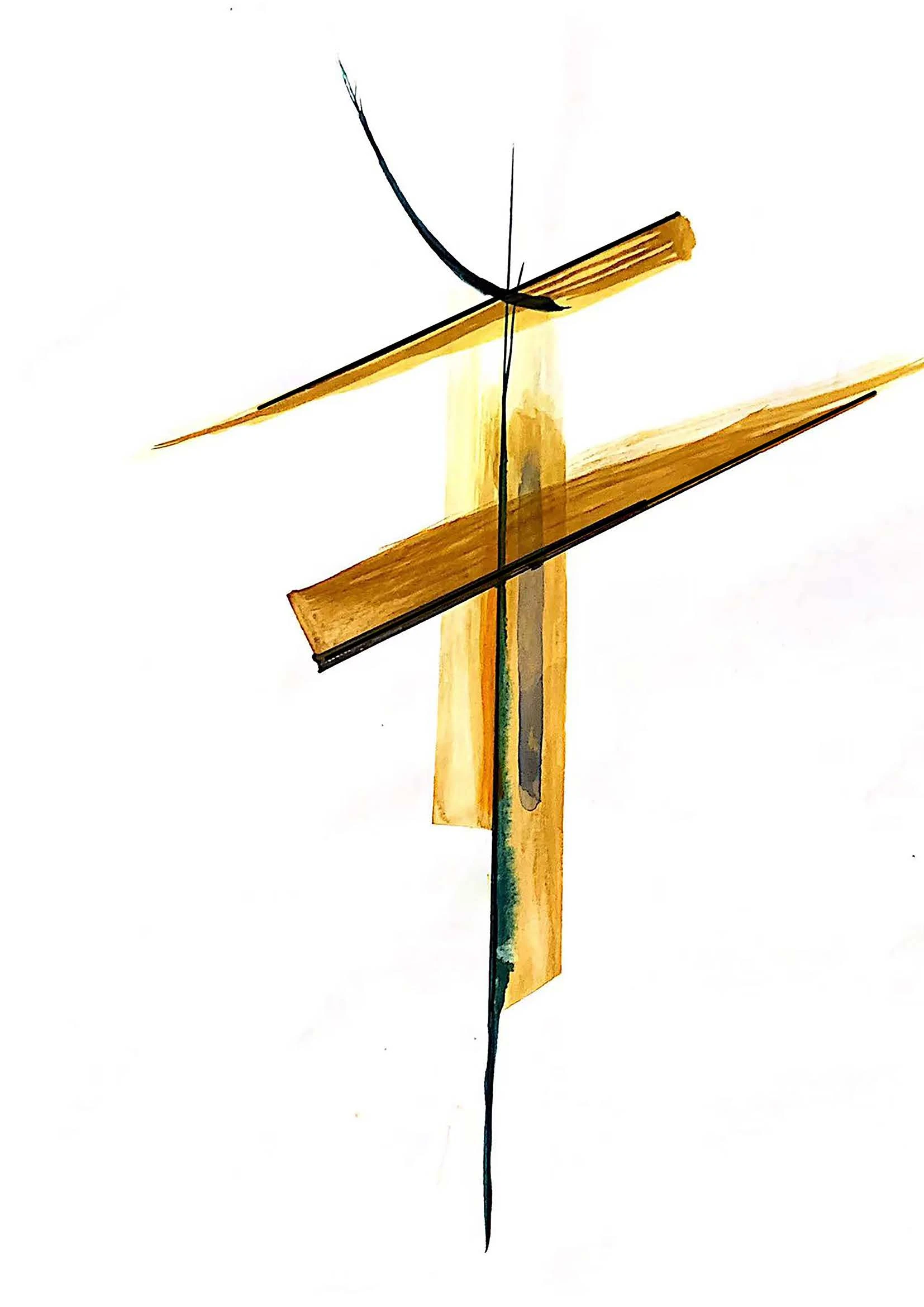
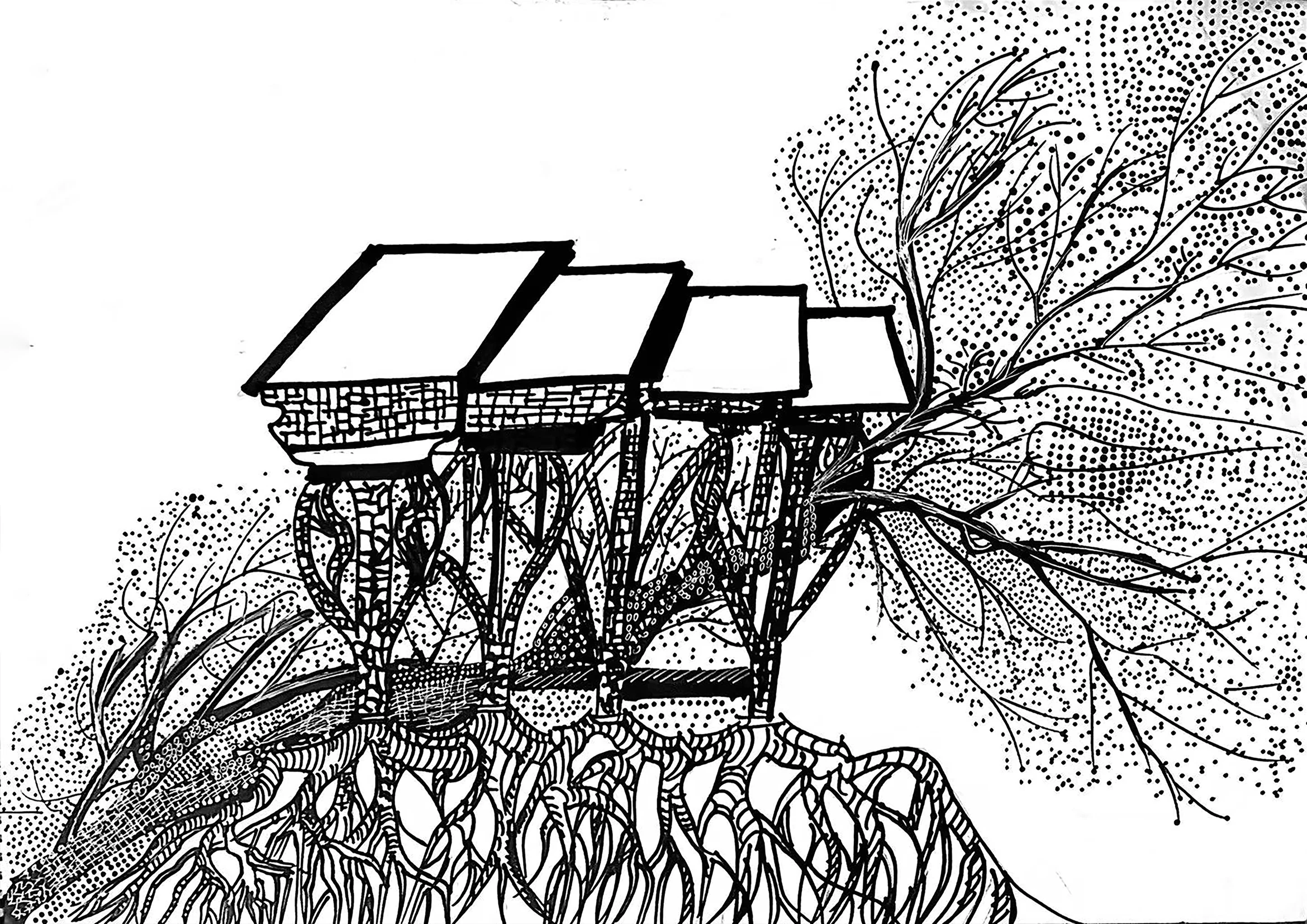
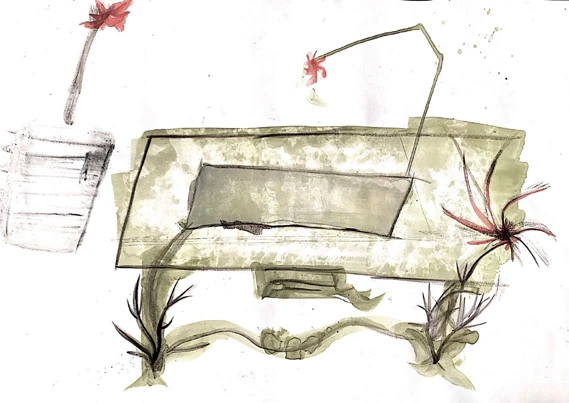
练习首先通过临摹与风格研究学习艺术家的绘画方法,再将这些方法用于感兴趣的博物馆对象。这里保留四幅不同方向的成果:家具与室内的明暗描绘、色块与笔触的抽象构成、浅色对象与植物的组合,以及物体轮廓与枝状纹样叠合的线描。重点在于媒介与表现方式怎样改变对象的含义,而非为它建立唯一的标准形象。The exercise begins with copying and studying artists' techniques before applying those approaches to selected museum objects. Four outcomes explore distinct directions: tonal drawing of furniture in an interior, an abstract arrangement of colour and brush marks, a pale object with plants, and linework interweaving an object’s outline with branching patterns. The emphasis is on how a medium and a drawing method change the meaning of the object.
Score:把感受写进图形Score: translating experience into marks
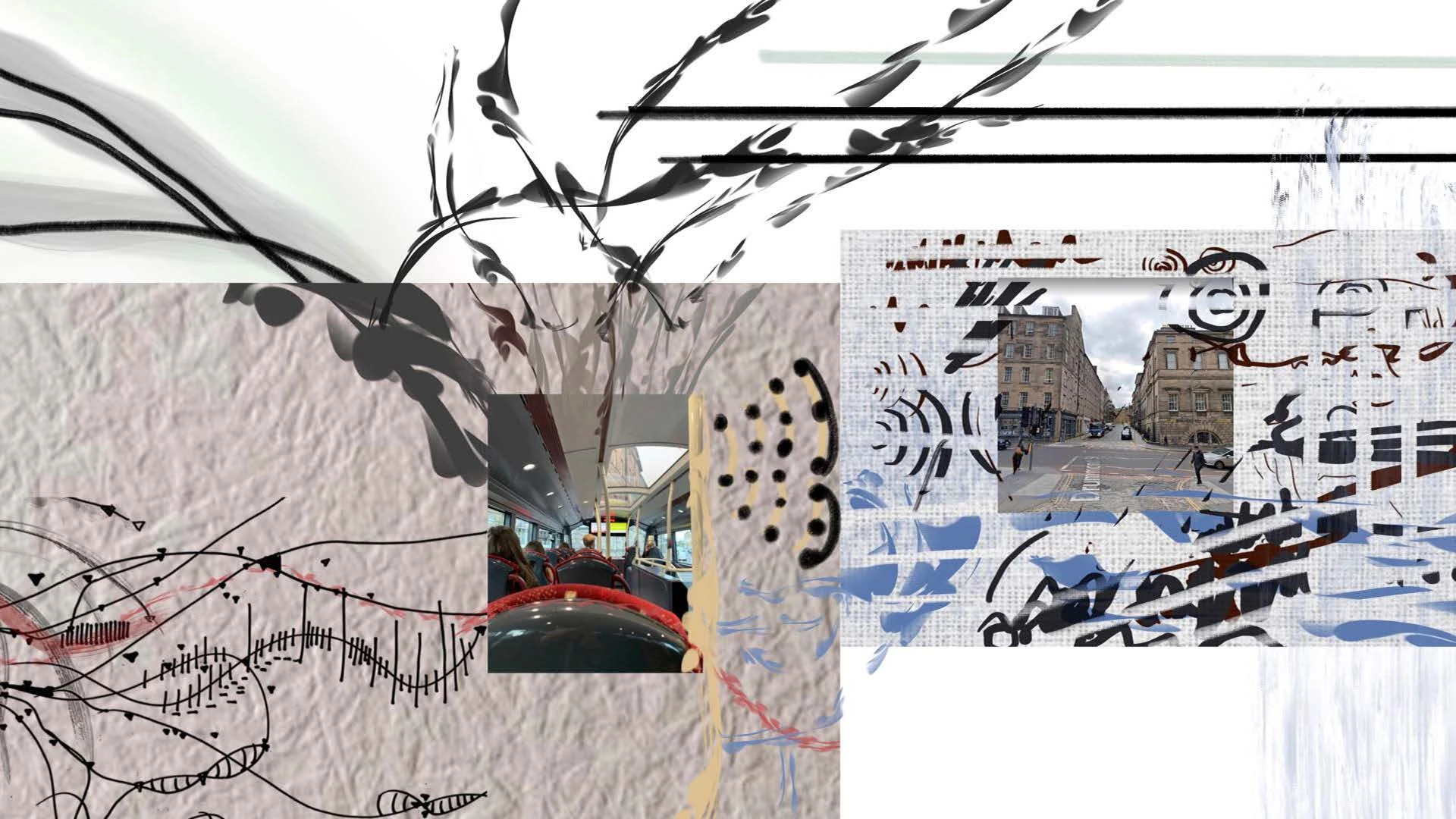
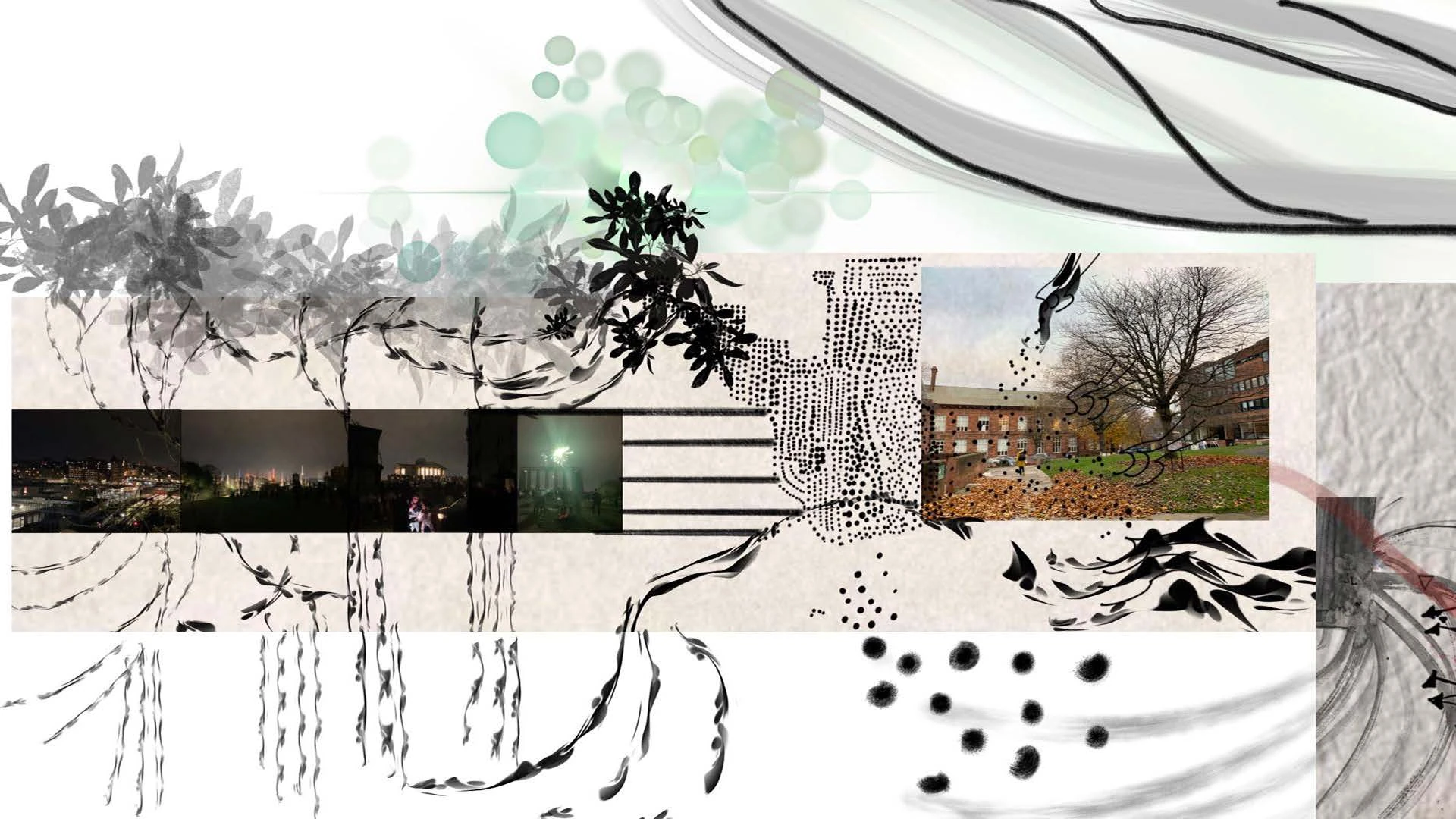
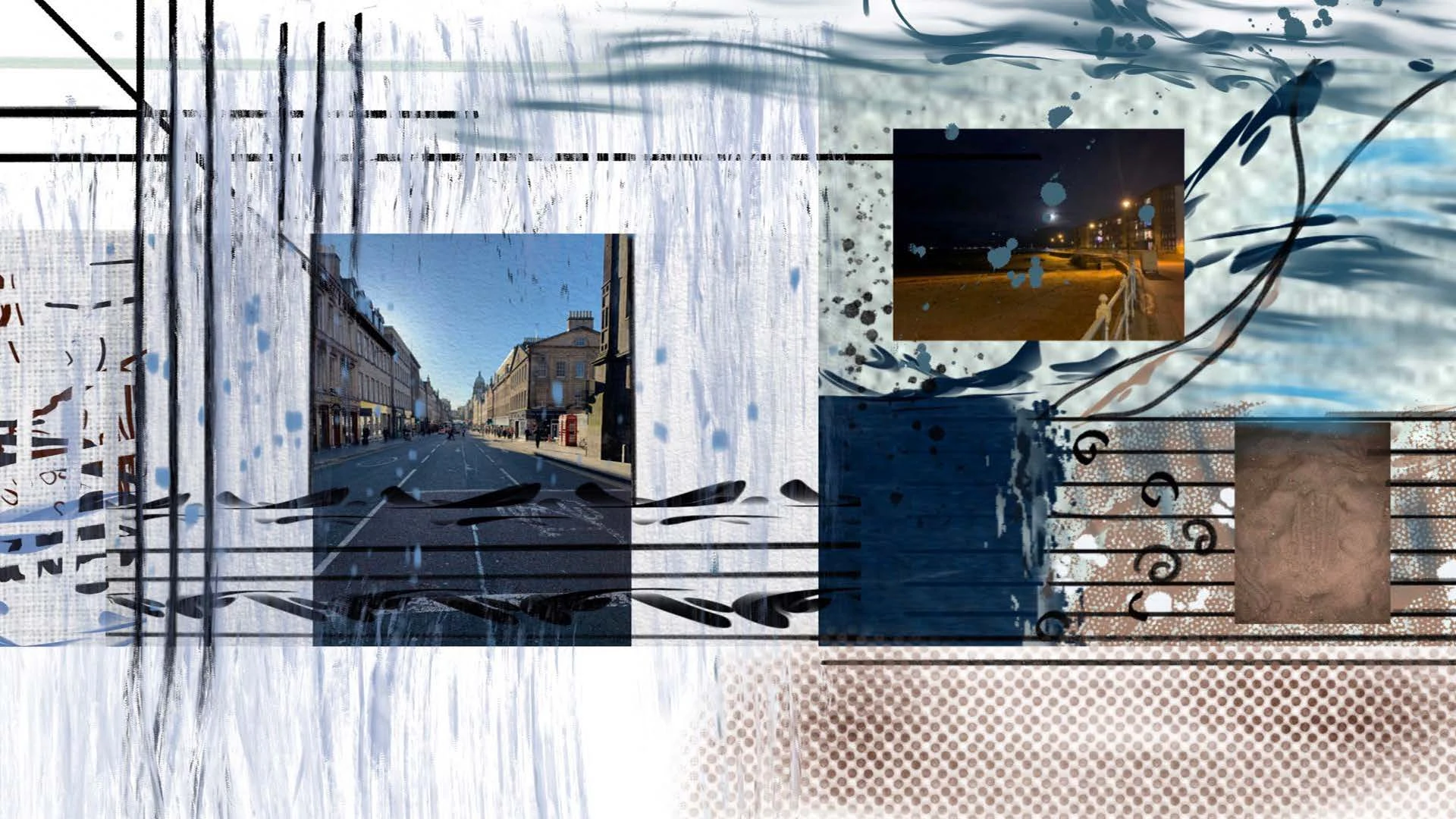
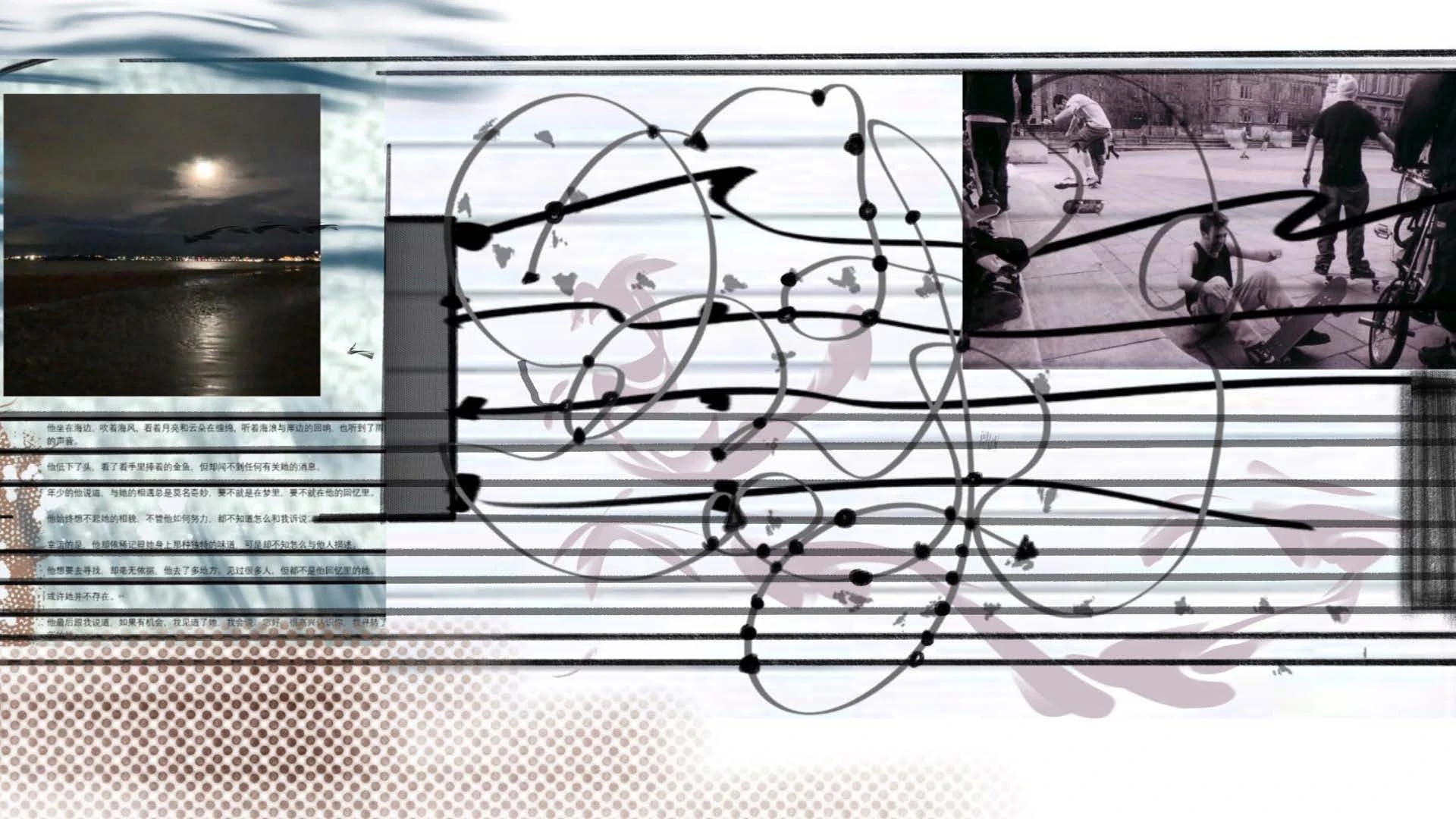
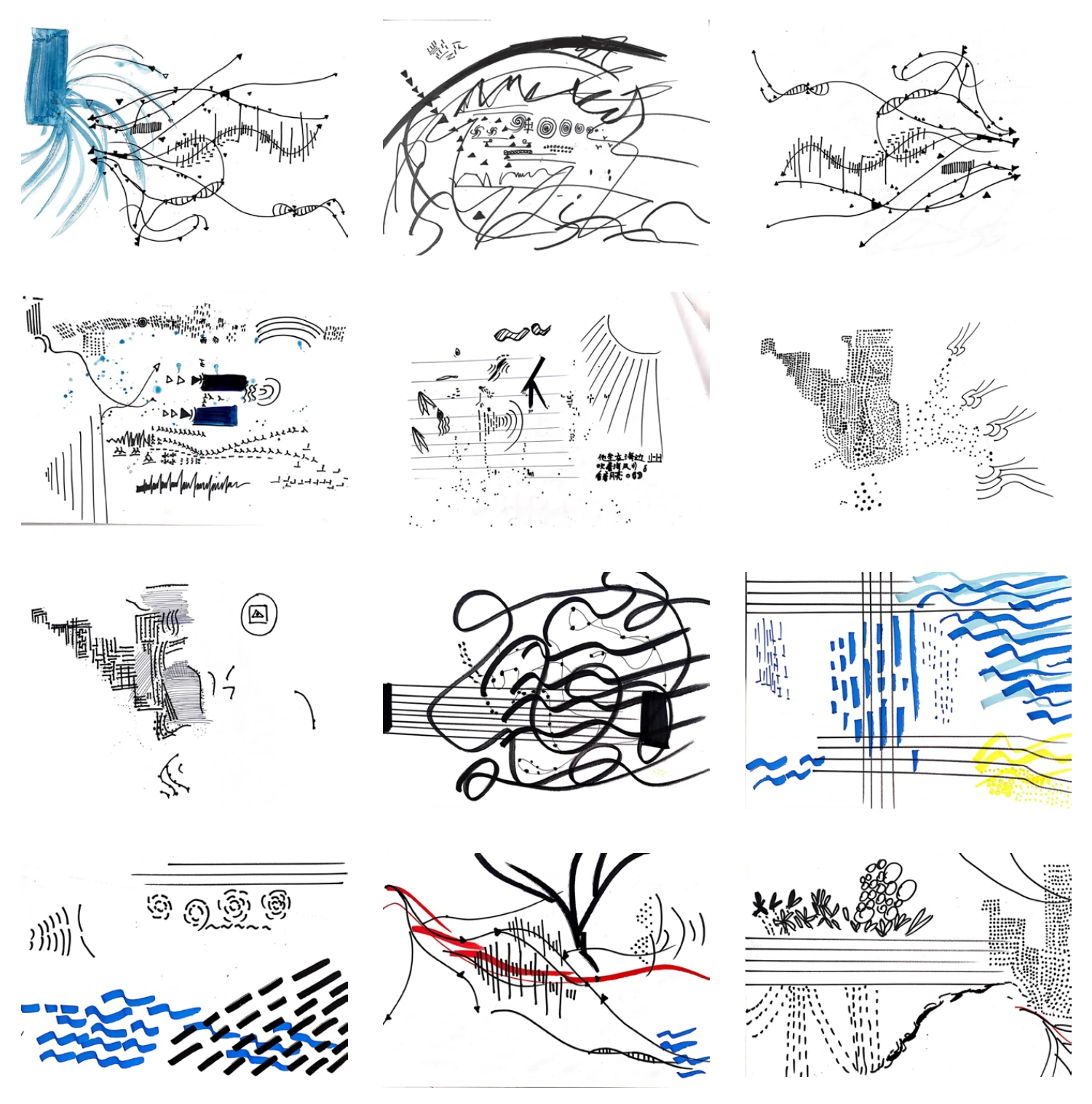
以 John Cage 的图形表达为参考,练习将空间故事中的要素转换为符号。树木、街道、夜间灯光与水面照片进入拼贴,点阵、重复横线和弯曲笔触在其间形成疏密与方向的变化。照片保留可辨认的场景,符号则让情绪与节奏成为画面的一部分;这是主观的空间记谱,而非按比例绘制的地图。Referencing John Cage's graphic approach, the exercise translates elements of a spatial story into symbols. Photographs of trees, streets, night lighting and water enter the collage, while dots, repeated horizontal lines and curved marks vary its density and direction. The photographs anchor recognisable scenes; the symbols introduce mood and rhythm. The result is a subjective spatial score rather than a measured map.
从片段到连续旅程From fragments to a continuous journey
最终长卷将四组片段连接起来,使不同场景可以在同一条横向序列中阅读。跨越照片边界的线条维持连续性,图形密度和色彩的变化又区分停留、经过与环境转换。记谱由此成为一种记录空间经验的方法,也为后续建筑设计中的路径、活动和时间表达提供基础。The final panorama joins four groups of fragments into a single horizontal sequence. Lines crossing photographic boundaries sustain continuity, while changes in density and colour distinguish pauses, movement and shifts of setting. Notation becomes a way to record spatial experience and a foundation for representing routes, activities and time in later architectural work.

项目信息Credits
课程练习:Xingzeng Zheng(课程索引署名 Tom / Xing Zeng Zheng)。爱丁堡大学 Art and Design,ARCH07001;导师 Rhys Williams、Rachael Scott,课程负责人 Dr. Tolulope Onabolu。Human Objects 的研究对象包括 Toko Shinoda、Uche Okeke、Karel Fleischmann;Score 参考 John Cage。Coursework by Xingzeng Zheng, credited as Tom / Xing Zeng Zheng in the course index. Art and Design, ARCH07001, University of Edinburgh. Tutors: Rhys Williams and Rachael Scott; course organiser: Dr. Tolulope Onabolu. Human Objects studies reference Toko Shinoda, Uche Okeke and Karel Fleischmann; Score references John Cage.
个人课程练习:对象绘画与视觉记谱Individual coursework: object drawing and visual notation
作品包括艺术家风格研究,以及使用课程参考照片的空间拼贴。The work includes studies of artists’ approaches and spatial collages incorporating coursework reference photographs.
联系我,了解这个项目Contact me about this project ↗